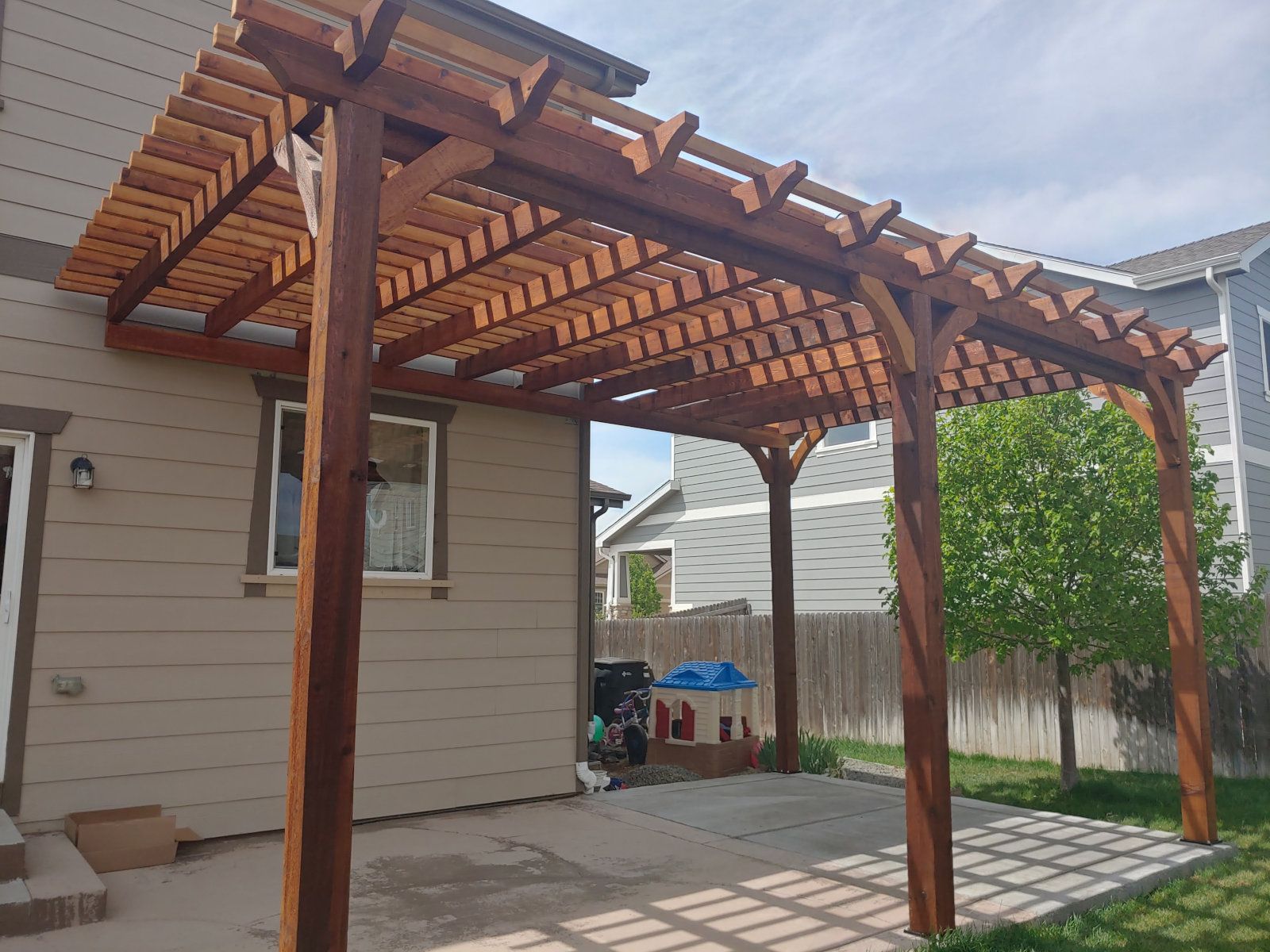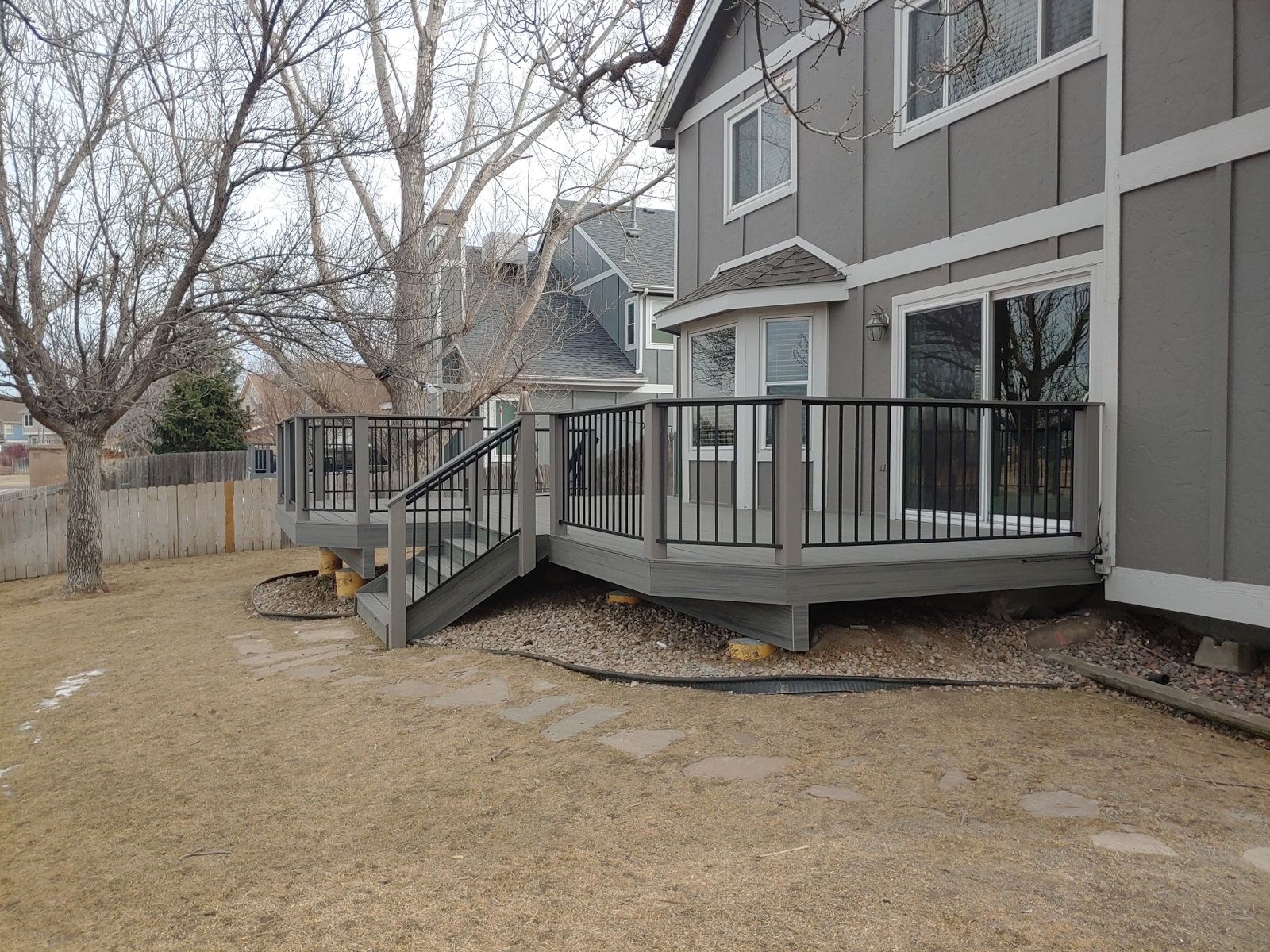
A little preparation makes a first conversation about a deck, patio, or outdoor structure much more useful. You don’t need plans or exact numbers. These are the things that help most.
Photos of the space
Take a few photos of the area from different angles, including where it meets the house. If you’re replacing or repairing an existing deck, add close-ups of the boards, railings, stairs, and anything that worries you.
Rough measurements
Approximate measurements are plenty to start: the size of the area, the height from the ground to the door you’ll step out of, and where windows, doors, and downspouts are.
How you want to use it
This shapes the design more than anything else. Make a quick list:
- How many people will usually be out there?
- Dining, lounging, grilling, a hot tub, a play area?
- Do you want shade, privacy, or both?
- When will you use it most: mornings, afternoons, or evenings?
Must-haves and nice-to-haves
Separate what you need from what you’d like. It makes it easier to compare options and adjust the plan to your budget.
A budget range
A range you’re comfortable with keeps the conversation on options that fit.
HOA rules and property details
If you have an HOA, find its guidelines for decks, fences, and outdoor structures. Many HOAs require approval before work starts. If you have a property survey or plat showing property lines and easements, keep it handy.
Underground utilities
Projects with footings or posts in the ground need buried utility lines marked first. In Colorado that request goes to Colorado 811: call 811 or visit colorado811.org . It’s free, and state law requires the request at least two full business days before digging. On a contracted job, ask who will submit it.
Timing
Let us know when you’d like the work done and how flexible that is.
When you’re ready, send your project details or call Jim at (303) 944-7836. Estimates are free.