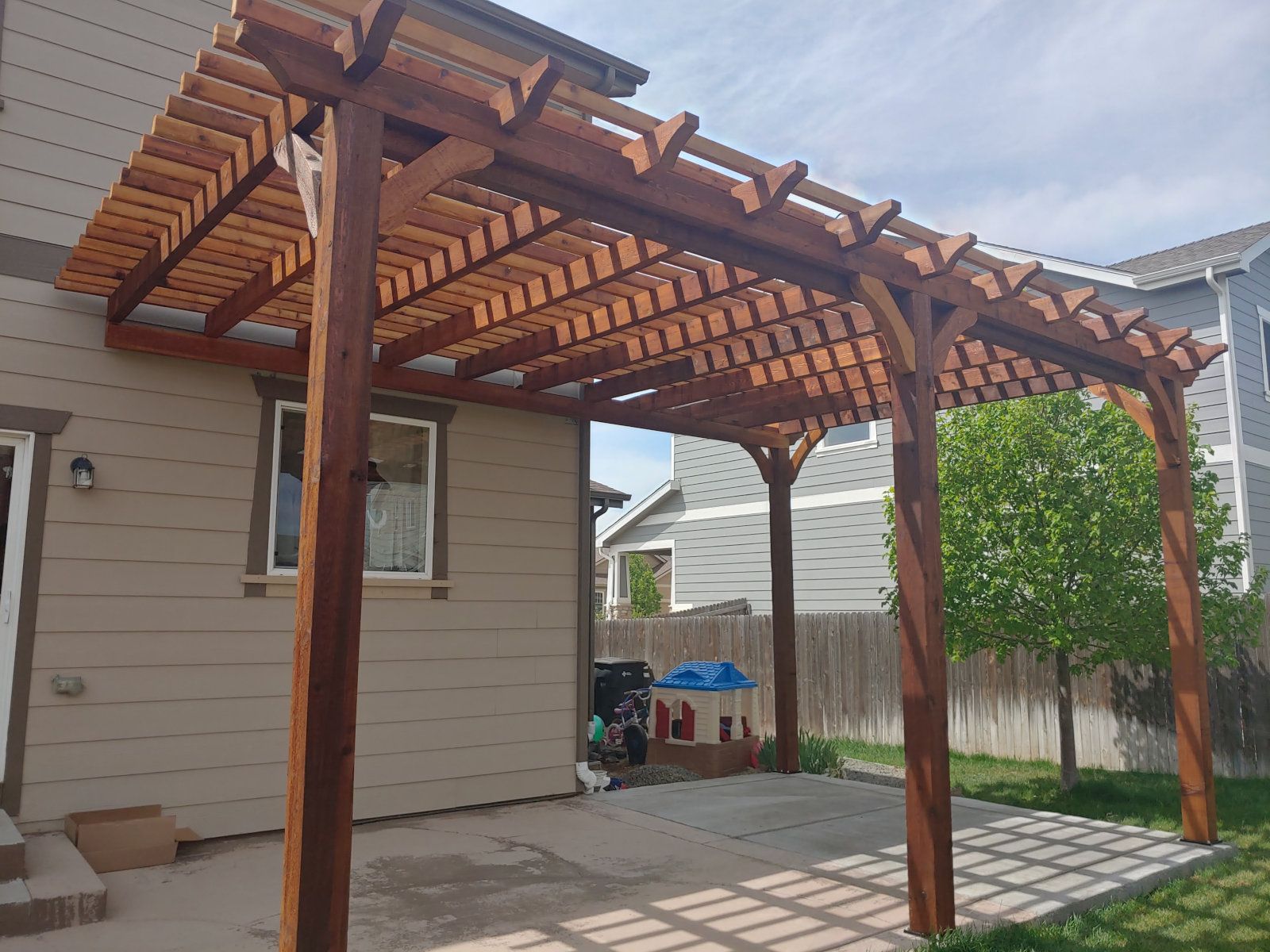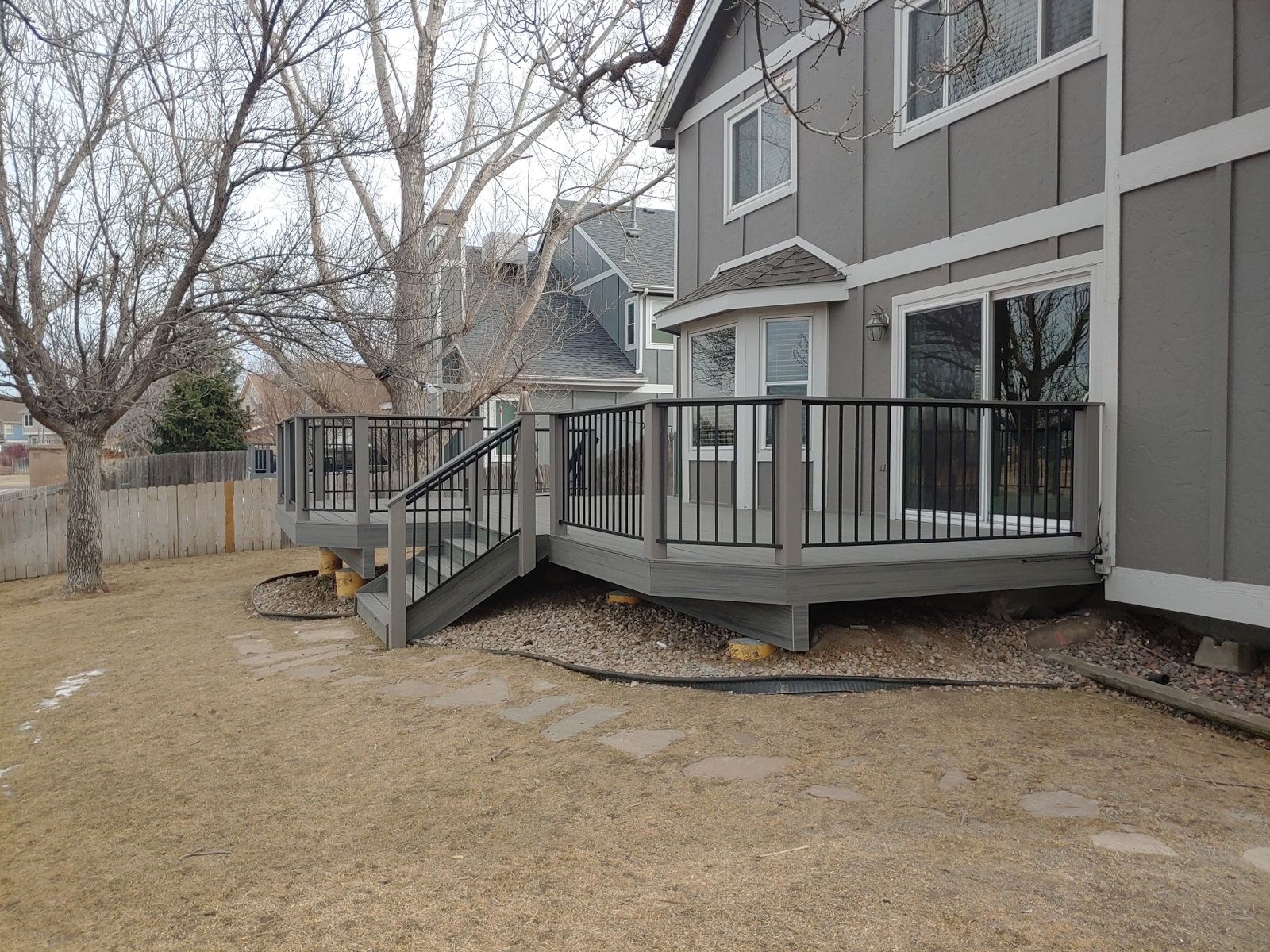
When the patio furniture comes in, the deck finally tells the truth. The patch beneath the rug is a different color. A planter has left a ring. The corner by the downspout still feels damp when the center is dry. Make those observations while the weather is mild enough to take your time. What you see now helps decide what to clean, what to move, and what to ask about later.
Clear the areas that stay covered
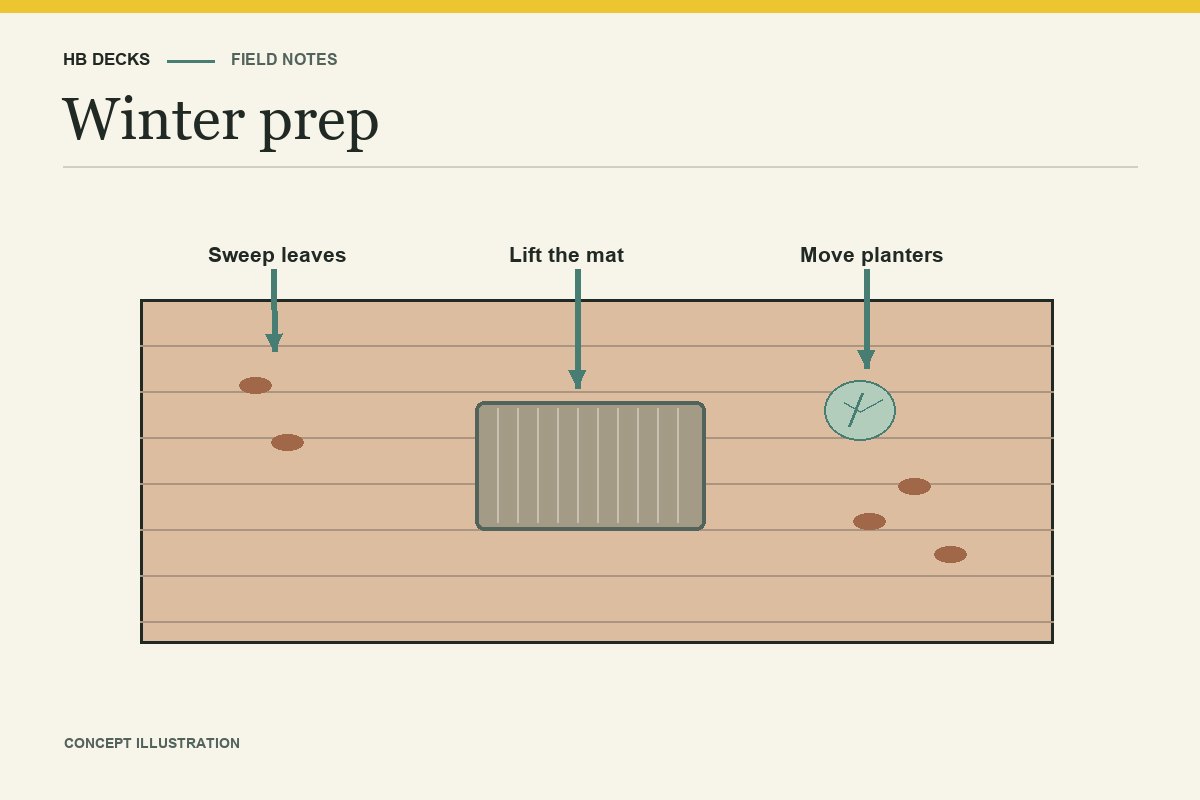
Pick up rugs, planters, and furniture feet that trap leaves or moisture. Notice where debris is packed into the gaps or against the house. Sweep the surface and follow the care guidance for the finish on your deck. Hard scrubbing or a strong cleaner can change the appearance of weathered wood, so use a method appropriate for your surface. If you don’t know what coating was used, take a few pictures before trying a product on a prominent spot.
Watch the area after it gets wet
A quick walk from ground level once rain clears can show where water collects and what drains first. Look at the bottom of stairs, where a gutter outlet sends water, and spots shaded by the house. Record the location rather than guessing at the cause. If water seems to return to the same corner, discuss the nearby grading or gutter layout along with the condition of the deck.
Make staining a weather decision
A fall finish may sound appealing, especially before guests arrive. Start with the instructions for the actual coating. Air temperature, surface temperature, drying conditions, and moisture in the wood can affect when a product should be applied. The calendar alone is a poor guide. If conditions don’t fit the instructions, wait for a suitable window and use fall to gather the product name, color, and approximate age of the current finish.
Make a home for the things you move
Plan where you’ll store the items that take up the most room before cold weather arrives. A mat hung up to dry is easier to deal with than a rolled, wet one waiting beside the back door. Move pot saucers and other items that can hold water where they won’t trap moisture on the boards. Take a photo of the deck once it’s clear so next spring you can see which marks were there before winter.
Put spring questions in one place
Save the photos of exposed wood, faded areas, and peeling coating. Note which surfaces get direct afternoon sun and whether previous coats have performed differently by exposure. If you see movement in a stair or rail or suspect the deck is unstable, arrange an evaluation before using that area. For an older wood deck with a sound surface, exterior painting and staining may be the next conversation. Bring your photos, and ask what preparation your finish actually needs.
This article is part of the fall 2026 archive edition of the HB Contracting Co. weekly series.